
Automatic vehicle identification, by long-range RFID
NoctoWave reads a passive tag on the windshield as the vehicle approaches, so a registered car — a resident, an employee, a fleet vehicle — is identified before it reaches the barrier and the lane opens without a stop. It runs beside the LPR camera, giving a NoctoPark lane two ways to know a vehicle instead of one.
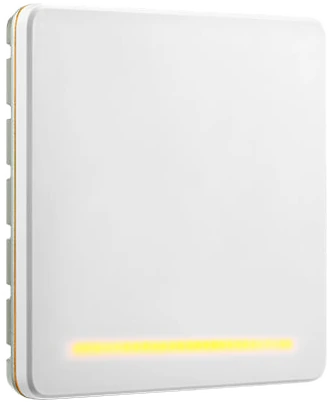
What the reader delivers
A UHF RFID reader built for the lane, not the warehouse
Most UHF readers are made for shelves and pallets. This one is sealed against weather, rated for a Québec winter, and reads a moving vehicle's tag at lane speed — with its antenna built in, so the island stays clean.
The tag is the credential
A passive windshield tag, no battery, nothing to tap or scan — the driver does nothing.
Operating range
Rated for the coldest morning and the hottest afternoon a lane will see.
Sealed housing
Die-cast aluminum, dust-tight and rain-proof, on the island year-round.
One cable
Power and data over Ethernet, or DC where PoE isn't available.
NoctoWave NW-100
Two credentials, one lane
License plate recognition identifies every vehicle that arrives. RFID identifies the ones you already know — and does it earlier, from further away, without depending on a plate being clean and legible. Registered vehicles carry a windshield tag; NoctoWave reads it as they approach; Core matches it to the permission and opens the gate. For high-security lots the two can be required together: the plate and the tag have to agree.
The reader sits on the island beside the camera. The tag is read as the car approaches, the plate as it arrives, and the barrier is moving before the driver has slowed.
Datasheet on request
The NW-100 datasheet, tag options, antenna layout and read-range guidance for your lane geometry are shared during the conversation.
What the tag read decides
Registered vehicle
Matched to a permit
Plate agrees, if required
Gate opens early
Logged in Core
Where NoctoWave goes
On the island, aimed up the approach — wherever registered vehicles need to move through without stopping.
Residential and staff entries
Residents and employees carry a tag; the lane opens as they turn in, every time, in any weather.
Fleet yards and long approaches
Trucks and rental fleets read from further back, so the gate is up before the cab reaches it.
Underground garages
Wall- or ceiling-mounted at the ramp, where a plate read alone can be hard in low light.
Questions
Frequently asked
Why add RFID when the camera already reads the plate?
Because RFID identifies the vehicle earlier and independently of the plate. A tag is read as the car approaches, before the plate is in frame, so the gate is already moving; and it still reads when a plate is dirty, snow-covered, damaged or from a jurisdiction the lot rarely sees. For high-security sites the two can be required together.
What does the driver have to do?
Nothing. The tag is passive — no battery, nothing to hold up or tap. It sits on the inside of the windshield and is read through the glass as the vehicle approaches.
How far away does it read?
Far enough that the barrier is open before a registered vehicle reaches it at lane speed. The exact distance depends on the tag, the mounting height and the approach geometry, which is why read-range guidance is part of the site design rather than a number on a web page.
Does it work in a Canadian winter?
It is rated from −25 °C to 70 °C and sealed to IP65 in a die-cast aluminum housing. Snow on the windshield does not stop a tag read the way it stops a plate read — which is one of the reasons to have both.
Who installs it?
A certified NoctoPark partner in your region mounts and wires the reader alongside the camera and gate; NoctoPark designs the lane, positions the antenna, and activates the reader in Core.
Let's get started
See a tagged vehicle open a lane
Thirty minutes: a tag read on approach, the gate moving before the car arrives, and the match in Core.