
License plate recognition cameras with vehicle ID on board
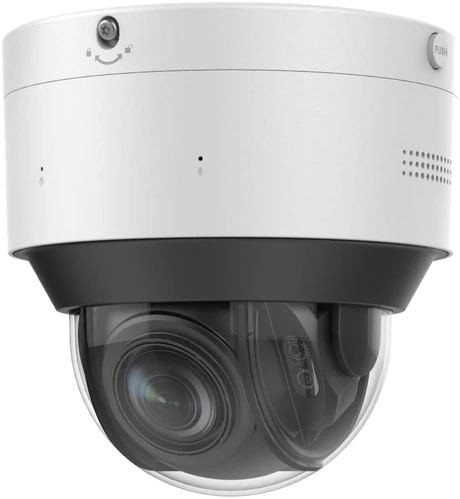
Every NoctoPark camera ships with our recognition software loaded: one 8MP camera reads the license plate and identifies the vehicle, in one pass. Three cameras do the work in a NoctoPark site — the LPR dome at the lane, the guidance camera over indoor spaces, and the outdoor post along the row.
What the cameras deliver
An LPR camera, and the license plate recognition parking system behind it
An LPR camera on its own reads characters. NoctoPark cameras identify the vehicle behind them — colour, type, physical characteristics — so a stay is reconciled even when a plate is snow-covered, damaged or from another country.
Resolution
Plate and vehicle detail from one sensor, day and night, indoor or out.
Cameras per lane
Front, rear, long-range rear and side — the side camera reads the vehicle profile, and USDOT numbers on trucks.
Read in free flow
Plates read at speed for gateless lanes — nobody slows down.
Reconciliation
Plate reads matched to payments in our tests, because the vehicle is identified too.
LPR camera
The lane camera
Mounted at the entry or exit, the LPR dome captures the plate and a full vehicle image as the car arrives. The recognition runs on the camera, so the session opens in real time and the record is complete before the barrier moves — or, in free flow, before the car has passed.
Up to four cameras per lane. Front and rear read the plates; the long-range rear covers islands where the near camera can't get the angle; a side camera reads the vehicle's profile — and on trucks, the USDOT number on the cab.
Specifications on request
Detailed specifications, drawings and compatibility notes are shared during the conversation, for your site.
Parking guidance camera
The space camera
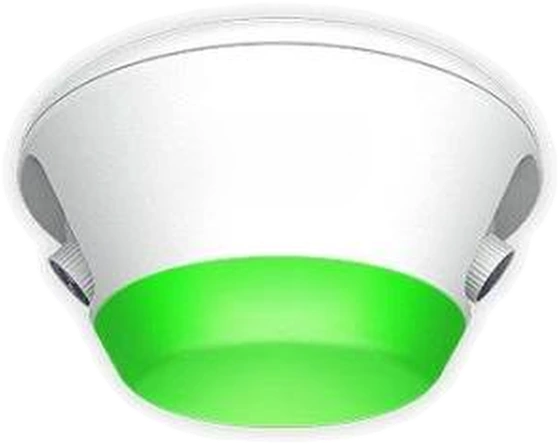
Mounted in the aisle ceiling, the guidance camera watches individual bays — three on each side — and reports what is in them: plate, vehicle, and how long it has been there. A status ring on the housing shows drivers where the free space is, from the end of the aisle.
One camera covers six indoor bays, three each side of the aisle. That is the geometry behind real-time space monitoring.
Specifications on request
Detailed specifications, drawings and compatibility notes are shared during the conversation, for your site.

Outdoor guidance post
The open-air post
For surface lots and rooftops, the guidance camera moves onto a post at the edge of the row, with an indicator light on top that drivers can see from across the lot. Same recognition — plate, vehicle, duration per bay — in a housing built to stand outside all year.
One post covers two stalls, reading from the stall end. Guidance cameras in the aisle read from the other end. Between them, a rear-only plate is read whether the car parks nose-in or backed-in.
Specifications on request
Detailed specifications, drawings and compatibility notes are shared during the conversation, for your site.
Captured at every event
License plate
Vehicle characteristics
Date and time
User group and permission
Image and video
Mounts where the lane is, not where the lane would have to move
NoctoPark cameras mount at tight angles, near or far from the lane, so they fit gatehouses, tollbooths and open-air sites as they already are.
Gatehouse and tollbooth
On the booth or the canopy, reading the lane you already control.
Pole and wall
Set back from the lane for open-air lots, long approaches and truck yards.
Ceiling
In the garage aisle, over the bays — the guidance camera's home.
Where they're deployed
Questions
Frequently asked
Can I use NoctoPark cameras with another parking system?
No. NoctoPark cameras ship with our recognition software on board and connect to NoctoPark Core. The camera and the platform are one product, which is why one camera can both read the plate and identify the vehicle.
Do they read plates in snow, or from out of province?
Yes. Vehicle physical characteristics are captured alongside the plate at every entry, so identification holds when a plate is snow-covered, damaged or temporary. Plates from any region or country are read with no region-specific setup.
How many cameras does a lane need?
Up to four for a gated lane — front and rear for the plates, a long-range rear for islands where the near camera can't get the angle, and a side camera that reads the vehicle's profile and, on trucks, the USDOT number on the cab. A gateless detection zone also uses up to four.
Québec only issues rear plates. Does space monitoring still work?
Yes. In an outdoor lot, guidance posts read from the stall end and guidance cameras in the aisle read from the other end, so the rear plate is read whether the car parks nose-in or backed-in. Indoors, the aisle camera reads the plate of any car parked nose-in.
Is the guidance camera a different product from the LPR camera?
Yes. The LPR dome reads the lane; the guidance camera mounts in the aisle ceiling and watches six bays; the outdoor post does the same job for open-air rows. All run NoctoPark software and report to Core, but they are different cameras doing different jobs.
Let's get started
Book your free demo
Tell us about the lane or the garage and we will walk through the camera layout that fits it.